Sustainability at
Redlands
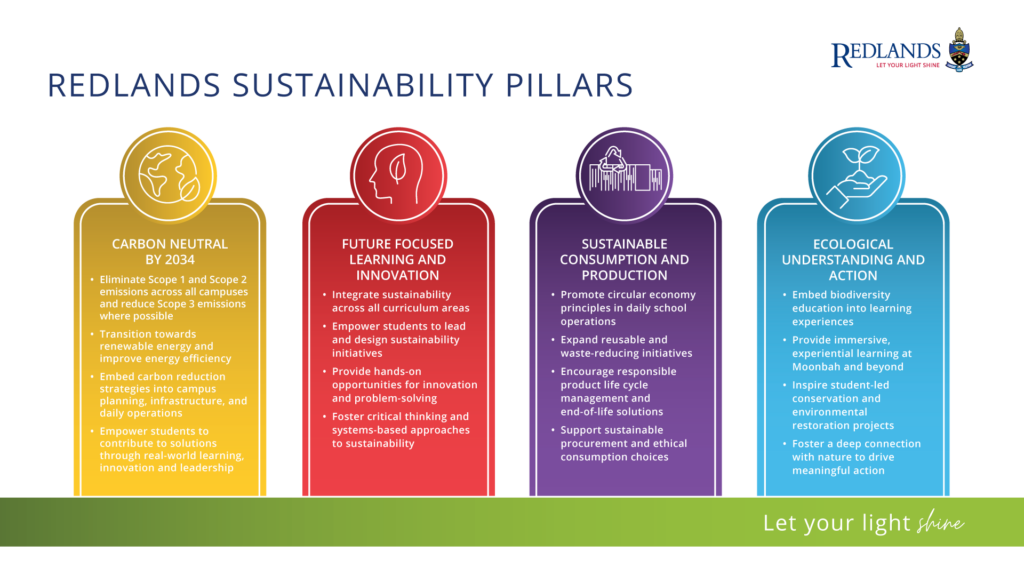
At Redlands, sustainability is both a responsibility and an opportunity. Our goal is to meaningfully reduce our carbon footprint while managing energy, water, waste and biodiversity in ways that protect and regenerate the environment.


This commitment extends beyond operations. We take a whole‑school approach, embedding sustainable practices across our facilities and grounds while actively engaging students, staff and the wider community in this shared endeavour. As part of this vision, Redlands has committed to achieving carbon neutrality for Scope 1 and Scope 2 emissions by 2034, aligning this milestone with the School’s 150th anniversary.
Sustainability
Achievements
Redlands is proud to be recognised for leadership in sustainability, including:
- Sustainable School of the Year 2023 (Sustainable Schools NSW)
- The Educator 5 Star Sustainability Program 2024
These achievements reflect a sustained, strategic approach to environmental stewardship across the School. The following achievements each fall under our Sustainability pillars.

Carbon Neutral by 2034
Climate Action & Carbon Emissions
Our approach to emissions reduction is data-driven and forward-focused. In 2024, Redlands partnered with Mamachi to develop a comprehensive Net Zero Pathway, building on previous greenhouse gas assessments conducted with Pangolin Associates.
We actively measure and manage our footprint, with full Climate Zero reporting across Scope 1, Scope 2 and Scope 3 emissions. Tools such as ESG.Tech support accurate tracking and informed decision-making, while initiatives like flight offsetting and EV vehicle hire help reduce operational impact.
Embodied carbon is present in our development projects, including the Learning Hub and John Roberts Buildings, ensuring that sustainability is factored into the full lifecycle of our infrastructure.
Energy
Energy transformation is a key focus at Redlands, with significant investment in renewable energy and efficiency:
- A 61kW solar system on the Junior Campus, reducing emissions by 55.22 tonnes of CO₂
(equivalent to planting 1,494 trees or powering over 6,000 homes for a year) - A 100kW solar system with a 50kWh battery at High Country Campus (Jindabyne), expected to:
- Generate ~123,934 kWh of clean energy annually
- Avoid ~45 tonnes of CO₂ emissions
- Reduce grid reliance by 47%
- LED lighting across all campuses, saving 131.62 tonnes of CO₂ each year
- Plans underway for a Senior Campus solar installation by 2027

Sustainable Consumption and Production
Waste, Paper & Circular Economy
Redlands is committed to reducing waste and transitioning towards a circular economy, where resources are reused and repurposed wherever possible.
Key initiatives include:
- Elimination of single-use plastics in canteens
- Food waste composting through green bins
- A mug library and incentives for reusable cups
- A fully paperless, cloud-based food compliance system
- Paper reduction is also a priority, with carbon-neutral paper, ID-controlled printing, and a strong shift to digital platforms across teaching, learning and administration.
- Beyond reduction, the School actively supports reuse and recycling through:
- E-waste collection programs
- Repurposing of furniture and resources
- Uniform recycling (Textile Recyclers Australia) and second-hand sales
- Student-led innovation, including a plastic shredder and mould system that transforms bottle lids into new products
Ecological Understanding and Action
Biodiversity & Living Systems
Redlands fosters a deep connection with the natural world through hands-on biodiversity initiatives across all campuses.
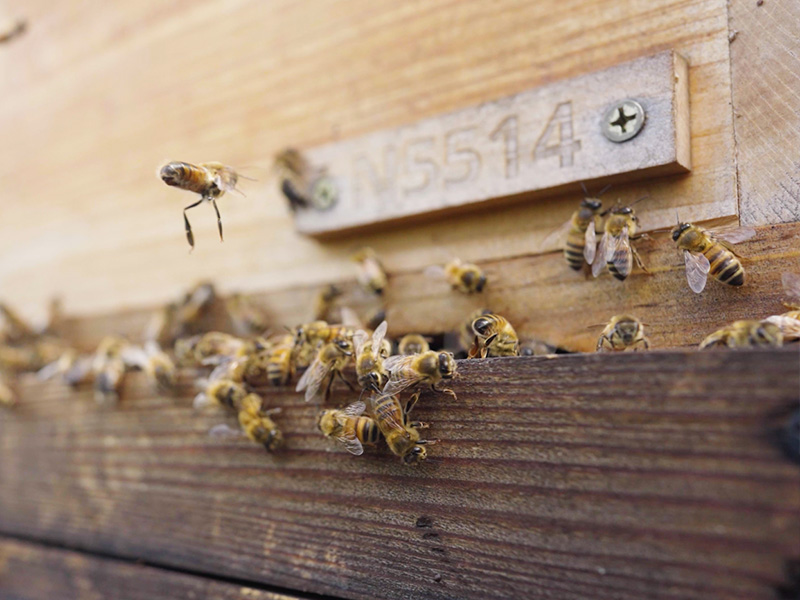
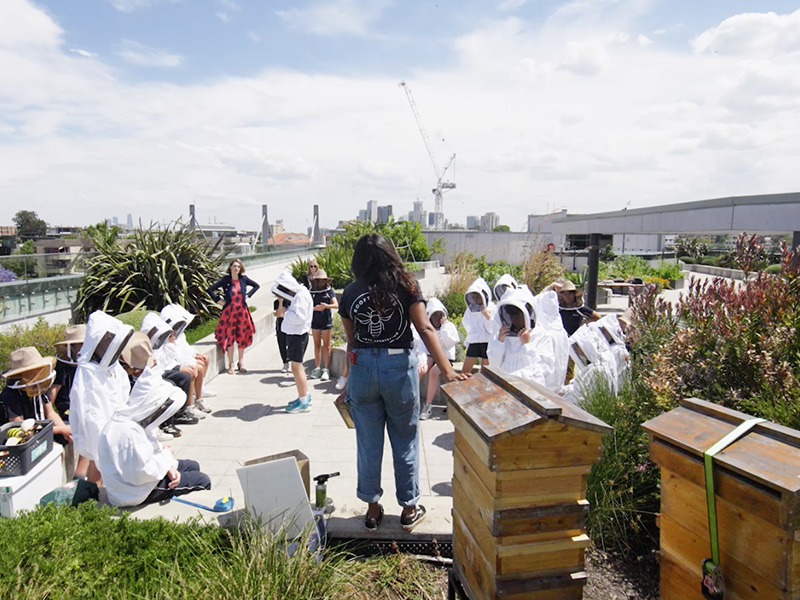
A standout feature is the Rooftop Bees program, with two honeybee hives on the Learning Hub and a native bee hive in the Preschool. Through the Senior School beekeeping club, students take part in authentic, practical learning experiences—managing hives, producing honey, and even designing packaging and running sales to support future projects.
Students engage in a wide range of activities, from hive inspections and beeswax production to scientific testing of honey composition. Current fundraising efforts are supporting the introduction of an AI hive monitoring system to protect bees from varroa mite.
Additional initiatives include:
- Pollinator gardens and vegetable beds in the Junior School
- A thriving Senior Campus Garden Club
- Produce from school gardens used in canteens

Future Focused Learning and Innovation
Student Involvement
Students play a central role in driving sustainability at Redlands. Leadership and participation opportunities are embedded across the School community, including:
- Environment Captains in Years 6 and 12
- Environment Clubs in all sections of the School
- Garden Club and Beekeeping Club on the Senior Campus
These opportunities empower students to take meaningful action and develop as environmentally responsible leaders.
Curriculum
Integration
At Redlands, sustainability is embedded across the curriculum from Preschool to Year 12. Through hands-on learning, students explore real-world environmental challenges, work with industry experts and develop innovative solutions for a more sustainable future. Explore some of the curriculum programs that bring this learning to life.
Operation Seahorse - Year 3
Through a partnership with the Sydney Institute of Marine Science (SIMS), Year 3 students take part in Operation Seahorse, a citizen science program focused on marine conservation. Through hands-on learning, they explore biodiversity, habitat protection and the challenges facing Sydney Harbour’s vulnerable White’s Seahorse.
The Wonderful World of Bees - Year 4
Year 4 students explore the fascinating world of pollinators and discover the critical role bees play in maintaining healthy ecosystems and global food production. Through hands-on investigations and connections with the School’s own beekeeping initiatives, students learn about bee biology, pollination, food systems and biodiversity. The unit encourages students to consider how human actions impact pollinator populations and how communities can help create environments where bees can thrive
Bee-yond the Hive STEAM Day - Year 7
In Year 7, students participate in the annual Beeyond the Hive STEAM Day, an immersive experience that explores the intersection of biodiversity, technology and emerging innovation. Students investigate bee behaviour, hive health and the environmental importance of pollinators while engaging with technologies including artificial intelligence and digital monitoring systems. Through interactive workshops and challenges, students consider how technology can be used to support environmental conservation and address real-world sustainability challenges.
Circular Economy - Year 8
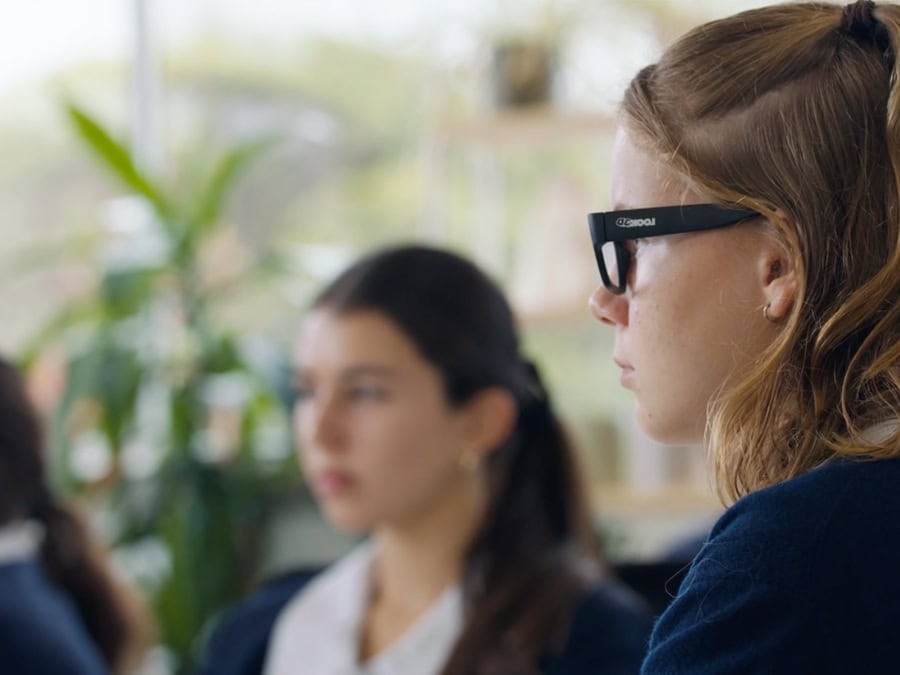
As part of Geography, Year 8 students explore the Circular Economy, examining the environmental impacts of traditional “take, make and waste” models and more sustainable alternatives. Through practical investigations and real-world case studies, they learn how innovative thinking can reduce waste and create more sustainable systems.
OceanX - Year 9
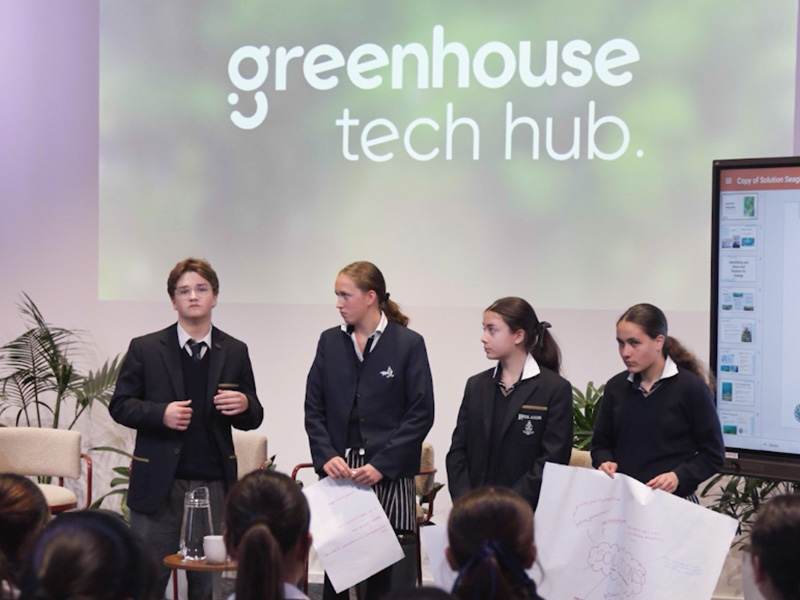
The Year 9 OceanX program combines Science, Geography and Commerce to explore challenges facing our oceans, including plastic pollution, biodiversity loss and human impacts on marine ecosystems. Students apply design thinking and scientific inquiry to develop innovative solutions to real-world issues, presenting their ideas to authentic audiences.
Greenlands
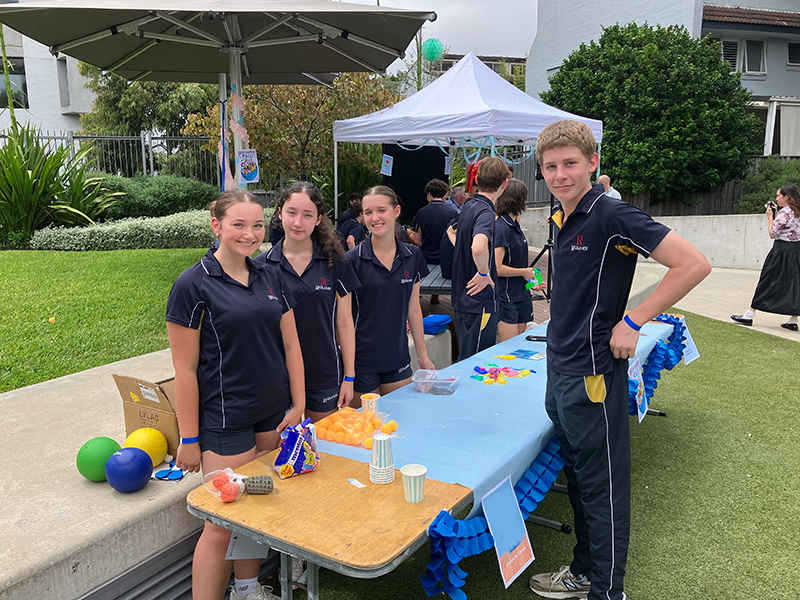
Each year, the Redlands community celebrates Greenlands Week, a student-led initiative focused on environmental sustainability and positive action. Through activities such as upcycling projects, recycling drives, clothing swaps, workshops and planting activities, students take the lead in creating practical solutions that benefit both their local and global communities.
Sustainability
Working Group (SWG)
Sustainability at Redlands is guided by a dedicated Sustainability Working Group, bringing together staff from across teaching and operations, alongside student Environment Captains. Meeting once each term, the SWG drives initiatives, monitors progress and ensures a coordinated approach to sustainable change across the School.